
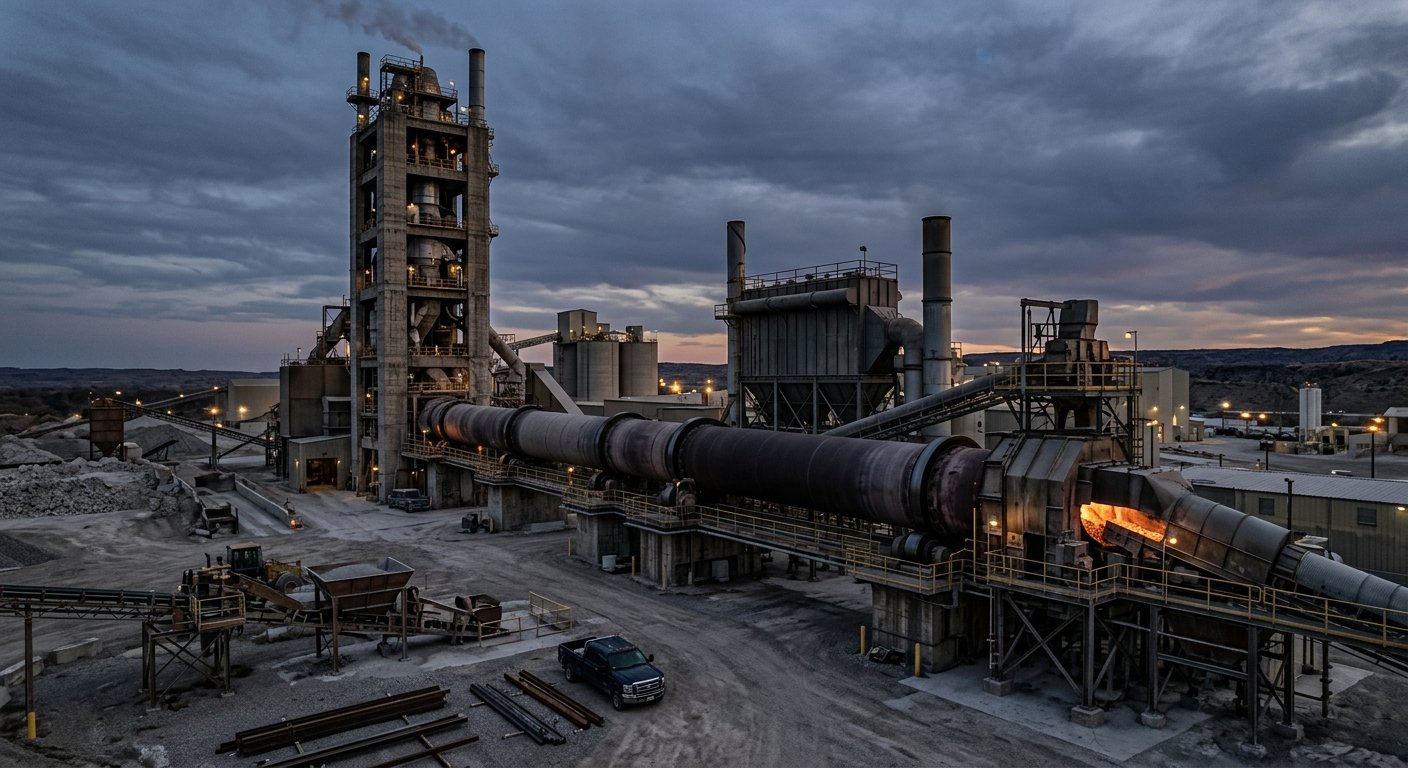
Forni a tino verticali vs. forni rotativi per calce: guida comparativa
Confronto tra le tipologie di forni da calce: PFR, a tino anulare, a doppio tino e rotativo con preriscaldatore. Guida a capacità, consumo di combustibile (GJ/t CaO), reattività e CAPEX.
I forni da calce utilizzati nella produzione commerciale di calce viva si suddividono in tre grandi famiglie: forni a tino verticali (inclusi i modelli rigenerativi a flusso parallelo e a tino anulare), forni rotativi (con o senza preriscaldatore) e forni rigenerativi a doppio tino. Ogni famiglia comporta un diverso compromesso ingegneristico tra efficienza energetica, reattività del prodotto, tolleranza alla pezzatura della pietra e flessibilità del combustibile. La scelta di una tecnologia inadeguata aumenta i costi energetici lungo l'intero ciclo di vita e impone un limite qualitativo al prodotto che potrebbe non soddisfare il mercato di riferimento.
Quali sono le principali tipologie di forno da calce?
L'Associazione Europea della Calce (EuLA) riconosce tre categorie principali di forni da calce in ambito commerciale: forni a tino, forni rotativi e forni rigenerativi a doppio tino a flusso parallelo [1]. Tra i forni a tino, due sottotipi dominano le nuove installazioni: il forno rigenerativo a flusso parallelo (PFR) e il forno a tino anulare. Le sezioni seguenti analizzano ciascuna tipologia.
Calcinazione della calce: la decomposizione termica del carbonato di calcio (CaCO3) in ossido di calcio (CaO) mediante riscaldamento a 900-1100°C, con rilascio di anidride carbonica (CO2). Il prodotto solido risultante è la calce viva. Per la chimica completa, consultare produzione di calce viva.
Confronto tra le tipologie di forno
Le cinque tecnologie di forno da calce più diffuse differiscono nettamente per consumo di combustibile, reattività del prodotto, requisiti di pezzatura della pietra e capacità della singola unità.
| Tipo di forno | Capacità (t CaO/giorno) | Consumo combustibile (GJ/t CaO) | Reattività ottenibile | Flessibilità combustibile | Capex relativo |
|---|---|---|---|---|---|
| PFR (rigenerativo a flusso parallelo / doppio tino) | 300-800 | 3,2-3,6 | Molto alta | Bassa (combustibili gassosi) | Alta |
| Rigenerativo a doppio tino (varianti Maerz/Cimprogetti) | 300-800 | 3,2-3,6 | Molto alta | Bassa-media | Alta |
| Forno a tino anulare | 200-600 | 3,6-4,5 | Alta | Media | Media |
| Forno rotativo con preriscaldatore | 300-1.200 | 4,5-6,0 | Bassa-molto alta | Alta | Medio-alta |
| Forno rotativo lungo (senza preriscaldatore, legacy) | 100-600 | 7,0-10,0 | Variabile | Molto alta | Bassa (esistente) |
Fonti: Tipi di forno EuLA [1]; documento Cimprogetti LimeCon2016 [2]; confronto forni Blitzco [3]; letteratura di settore [4][5]. Il Capex è relativo e dipende dal sito; le cifre assolute richiedono un preventivo dell'OEM.
Forni rigenerativi a flusso parallelo
Il forno rigenerativo a flusso parallelo (PFR) raggiunge il minor consumo di combustibile tra le tipologie di forni da calce commerciali, tipicamente 3,2-3,6 GJ/t CaO, a fronte di un minimo teorico di calcinazione di circa 3,17-3,20 GJ/t per materia prima di calcite pura [2][4].
Il principio operativo utilizza due tini verticali interconnessi, alimentati in cicli alternati. Mentre un tino calcina la pietra, i gas di combustione fluiscono verso il basso attraverso il letto in parallelo al materiale solido (da cui "flusso parallelo") e successivamente passano nel secondo tino, dove preriscaldano la pietra fresca discendente prima di uscire come gas di scarico. Questo scambio termico rigenerativo è la fonte del vantaggio in termini di efficienza. Il documento tecnico Cimprogetti LimeCon2016, presentato all'industria indiana della calce, cita un design specifico a doppio tino che raggiunge un consumo di combustibile di 2,93 GJ/t in condizioni operative ottimizzate [2].
La pezzatura della pietra è il vincolo principale: i forni PFR richiedono una pietra uniforme nell'intervallo 90-125 mm [1]. Frazioni più fini o alimentazioni a pezzatura mista disturbano la distribuzione del flusso di gas, riducendo sia l'efficienza che la qualità della calce. Il combustibile è prevalentemente gas naturale o GPL; lo stretto controllo della temperatura durante la fase di calcinazione richiede combustibili gassosi puliti e facilmente regolabili.
La reattività del prodotto è costantemente elevata. I forni PFR che operano a 900-1000°C producono calce viva a cottura dolce con valori del test di spegnimento t60 (EN 459-2) tipicamente inferiori a 3 minuti, idonei per la desolforazione dell'acciaio e il trattamento delle acque. Il link: produzione di calce viva copre integralmente il quadro dei gradi di reattività.
I design proprietari di Maerz (ora parte di Primetals Technologies), Cimprogetti (forno rigenerativo a doppio tino) e FCT Combustion rappresentano le principali famiglie OEM. Cimprogetti riferisce che i forni rigenerativi a doppio tino hanno dominato il loro recente portafoglio progetti grazie al minor consumo energetico e ai costi di gestione competitivi [2].
Forni a tino anulare
I forni a tino anulare offrono un'efficienza termica di circa il 75-80%, intermedia tra i forni PFR e i design rotativi [3]. La sezione trasversale anulare (a forma di anello) consente di posizionare un tubo di combustione centrale all'interno del tino, permettendo una distribuzione del gas attraverso il letto di pietra più uniforme rispetto a quanto offerto da un semplice tino circolare.
La flessibilità del combustibile è maggiore rispetto a un PFR: i forni a tino anulare possono bruciare combustibili gassosi, liquidi o solidi polverizzati, un aspetto rilevante nelle regioni in cui l'approvvigionamento di gas naturale è inaffidabile o costoso. La tolleranza alla pezzatura della pietra è più ampia (25-200 mm in alcuni design), consentendo di utilizzare materiale di cava che verrebbe scartato da un PFR.
La capacità della singola unità varia da 200 a 600 t/giorno. La reattività è da media ad alta, a seconda della temperatura di calcinazione e del controllo del tempo di permanenza. I forni a tino anulare sono spesso scelti per la calce destinata alla desolforazione dei fumi (FGD), alla calce per edilizia e alle applicazioni di stabilizzazione del suolo, dove non è richiesta una reattività di grado superiore.
Forni rotativi con preriscaldatori
I forni rotativi da calce con preriscaldatore consumano 4,5-6,0 GJ/t CaO, circa il 30-50% di energia in più rispetto ai moderni design PFR, ma accettano la più ampia gamma di pezzature di pietra (15-40 mm) e di tipi di combustibile tra tutti i forni da calce [1][5]. I vecchi forni rotativi lunghi senza preriscaldatore raggiungono i 7-10 GJ/t e sono in gran parte in fase di sostituzione.
Il principio operativo: un cilindro rotante orizzontale inclinato di 3-4 gradi rispetto all'orizzontale; il calcare viene alimentato dall'estremità superiore, mentre il combustibile e l'aria di combustione vengono immessi dall'estremità inferiore; un preriscaldatore utilizza i gas di scarico per calcinare parzialmente l'alimentazione prima che entri nella sezione rotante. L'efficienza termica è di circa il 40-52% rispetto all'80-90% dei design PFR [3].
I vantaggi risiedono nella flessibilità del combustibile (carbone, petcoke, gas naturale, combustibili derivati da rifiuti) e nella capacità di trattare pietre fini o di pezzatura mista che i forni a tino non possono gestire. I forni rotativi offrono anche la più ampia gamma di reattività del prodotto: regolando la temperatura di calcinazione e il tempo di permanenza, gli operatori possono passare dalla calce a cottura dolce a quella a cottura dura. La calce a cottura dura è preferita per alcune applicazioni refrattarie e chimiche in cui sono richieste bassa porosità ed elevata densità.
La capacità per unità è la più elevata disponibile: 300-1.200 t/giorno per le installazioni moderne.
Sigillatura e aria parassita nei forni rotativi da calce
I forni rotativi sono particolarmente esposti all'ingresso di aria parassita in corrispondenza delle tenute di ingresso e uscita, poiché il mantello del forno ruota continuamente contro le cappe stazionarie [6]. I forni a tino sono essenzialmente statici alle interfacce di processo; l'ingresso di aria dalle bocche di carico e scarico è un problema minore in confronto.
In un forno rotativo da calce, l'ingresso incontrollato di aria dalle cappe di ingresso e uscita diluisce i gas di combustione, costringe a un maggiore lavoro del ventilatore a tiraggio indotto e aumenta il consumo effettivo di combustibile per tonnellata di CaO rispetto alla linea di base del tipo di forno. Ogni punto di ingresso d'aria incontrollato amplia il divario tra il valore effettivo in GJ/t e l'intervallo di 4,5-6,0 GJ/t citato per i moderni design correttamente sigillati. Per l'industria della calce, ciò significa che la qualità della sigillatura del forno è parte dell'equazione dei costi energetici e operativi, non solo un elemento di manutenzione.
I sistemi di sigillatura dell'ingresso del forno di Oswal sono progettati per l'interfaccia ingresso/uscita dei forni rotativi da calce, affrontando direttamente il gioco tra la tenuta rotante e quella stazionaria. Il servizio di consulenza ingegneristica può confrontare i GJ/t effettivi di un impianto rispetto a quelli previsti e quantificare il contributo del degrado delle tenute. Vedere anche sigillatura dei forni per l'industria della calce per il quadro completo sull'aria parassita.
Come il tipo di forno determina la reattività del prodotto
La scelta del tipo di forno da calce stabilisce direttamente il limite massimo della reattività del prodotto, che a sua volta determina i mercati che la calce può servire.
I forni PFR e a doppio tino producono calce viva a reattività costantemente elevata, adatta alla desolforazione dell'acciaio, al trattamento delle acque e alla produzione di carta. I forni a tino anulare producono calce a reattività da media ad alta per FGD ed edilizia. I forni rotativi coprono l'intera gamma: gli operatori possono puntare a calce a cottura dolce ad alta reattività o a calce densa a cottura dura regolando le condizioni operative, sebbene questa flessibilità comporti il costo energetico sopra descritto.
L'idoneità all'uso finale è fondamentale: i produttori di acciaio e carta specificano solitamente gradi di reattività minimi che solo la calce prodotta con PFR soddisfa costantemente. Per un produttore che serve più mercati da un unico impianto, un forno rotativo offre la flessibilità operativa che i forni a tino non possono garantire. Le descrizioni complete dei gradi di reattività e il quadro del test t60 sono disponibili in produzione di calce viva.
Per il contesto completo dell'industria della calce e lo storico delle applicazioni di Oswal su diverse tipologie di impianti, la pagina di settore illustra l'intero ambito della sigillatura dei forni, sia per le installazioni a tino che per quelle rotative.
Common questions about this topic
Il forno rigenerativo a flusso parallelo (PFR) è il forno per calce commerciale a maggiore efficienza energetica, raggiungendo un consumo di combustibile di circa 3,2-3,6 GJ/t di CaO rispetto ai 4,5-6,0 GJ/t dei forni rotativi con preriscaldatori [1][2]. Il vantaggio in termini di efficienza deriva dallo scambio termico rigenerativo tra i suoi due pozzi alternati, che recupera il calore dei gas di scarico per preriscaldare la pietra in ingresso. Per la linea di base dell'energia di calcinazione rispetto alla quale questi forni vengono ottimizzati, si veda produzione di calce viva.
Un forno rotativo può produrre calce viva reattiva se la temperatura di calcinazione viene mantenuta tra 900 e 1000°C; tuttavia, la sua distribuzione termica più ampia e il tempo di residenza prolungato generano solitamente un prodotto a reattività medio-alta, anziché l'output a reattività costantemente elevata tipico di un forno PFR ben controllato. Per la desolforazione dell'acciaio o per applicazioni di trattamento acque complesse che richiedono valori t60 inferiori a 3 minuti, le soluzioni a tino rappresentano la scelta più affidabile. Per ulteriori informazioni sul quadro di classificazione della reattività, consultare la panoramica sul settore della calce.
I forni rotativi sono dotati di un mantello in rotazione continua sigillato contro le cappe di ingresso e uscita fisse, il che risulta intrinsecamente più difficile da sigillare rispetto alle interfacce di processo statiche dei forni a tino. L'ingresso di aria in corrispondenza di queste tenute diluisce i gas di combustione, richiede una maggiore portata dei ventilatori e innalza il consumo effettivo di combustibile per tonnellata di CaO al di sopra della già elevata linea di base dei forni rotativi. I forni a tino non presentano questa interfaccia rotante e subiscono un ingresso di aria parassita decisamente inferiore. Le implicazioni pratiche e commerciali per gli operatori di impianti di calce a forno rotativo sono trattate in dettaglio in kiln sealing for the lime industry; i sistemi di tenuta all'ingresso del forno di Oswal sono progettati specificamente per questa interfaccia.
Sources
- European Lime Association (EuLA), *Kiln Types*
- Cimprogetti, *Evaluating and Predicting Lime Kiln Performance Based on Raw Material Properties and Fuel Characteristics*, presented at LimeCon2016, India, February 2016
- Blitzco, *Comparison of Lime Kiln Types*, technical overview document, 2020
- Senegacnik, A., Oman, J., Brane, S., *Annular shaft kiln for lime burning with kiln gas recirculation*, Applied Thermal Engineering, 2008, 28(7)
- Piringer, H., *Thermal energy analysis of a lime production process: Rotary kiln, preheater and cooler*, Applied Thermal Engineering, 2015
- European Lime Association (EuLA), *Production*
Articoli correlati
Discuss Your Sealing Requirements
Our engineering team can help identify the right sealing solution for your application.
Contact Engineering Team“Ovunque i forni rotanti ad alta temperatura operino in atmosfera controllata, i sistemi di tenuta Oswal garantiscono efficienza energetica e stabilità di processo.”