
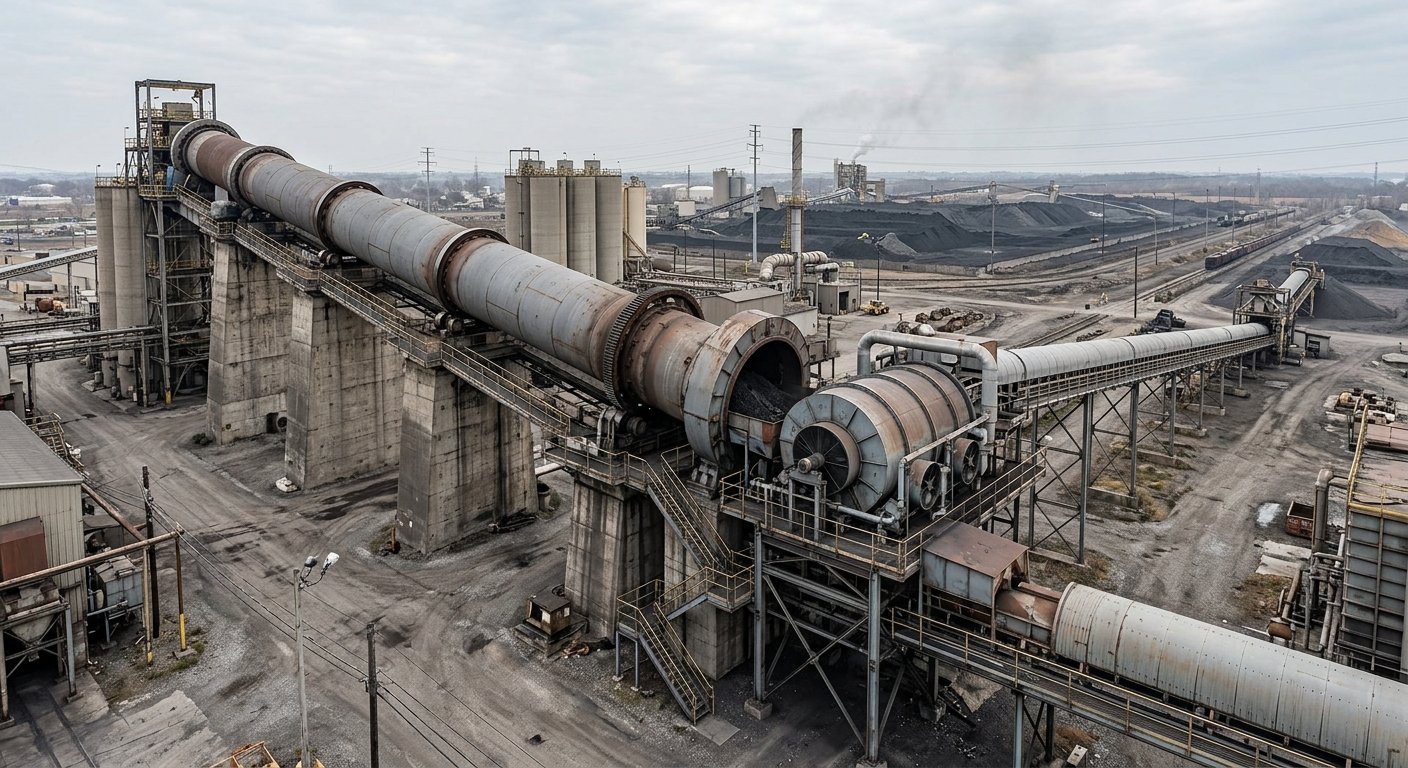
Spiegazione del processo di produzione del ferro spugna / DRI
Il ferro spugna (ferro preridotto o DRI) è minerale di ferro ridotto allo stato solido. Percorsi a carbone rispetto a quelli a gas, processo a forno rotante, parametri operativi ed economia.
Il ferro spugnoso, noto anche come ferro preridotto (DRI, Direct Reduced Iron), è ferro prodotto riducendo il minerale di ferro a ferro metallico allo stato solido, al di sotto del punto di fusione del ferro, senza mai formare una massa fusa liquida. È la materia prima che ha trasformato la produzione di acciaio tramite forno ad arco elettrico ed è prodotta su scala industriale in India più che in qualsiasi altra parte del mondo: nel 2024 l'India ha prodotto 54,7 milioni di tonnellate di DRI, circa il 39% del totale mondiale di 140,8 milioni di tonnellate, confermandosi il maggior produttore mondiale ogni anno dal 2003 [1][2]. Questa guida illustra cos'è il ferro spugnoso, le due vie di produzione (a carbone e a gas), il processo del forno rotativo fase per fase con il relativo profilo di temperatura e i parametri operativi, il motivo per cui la sigillatura del forno è un problema più complesso nel DRI rispetto al cemento, le sfide operative che ogni forno DRI deve affrontare, il bilancio dei materiali e l'economia dell'impianto.
Cos'è il ferro spugnoso / ferro preridotto (DRI)?
Il ferro spugnoso è minerale di ferro dal quale l'ossigeno è stato rimosso mediante un gas riducente (monossido di carbonio e idrogeno) a temperature inferiori al punto di fusione del ferro, lasciando un prodotto di ferro metallico poroso che mantiene la forma della particella di minerale originale. Poiché il minerale non viene mai fuso, la riduzione è definita diretta, da cui il termine "ferro preridotto". Il prodotto viene utilizzato principalmente come carica pulita e costante per forni ad arco elettrico e forni a induzione, dove sostituisce il rottame.
L'India domina questo processo. Dei 140,8 milioni di tonnellate di DRI prodotti a livello mondiale nel 2024, l'India ne ha prodotti 54,7 milioni, circa il 39%, la quota più alta di qualsiasi altro paese e superiore alla somma dei due produttori successivi [1][2]. Tale concentrazione è il motivo per cui le applicazioni per forni metallurgici servite da Oswal sono fortemente orientate verso gli impianti indiani di ferro spugnoso, e perché i dettagli operativi riportati di seguito sono incentrati sul forno rotativo a carbone che domina il parco impianti indiano.
Ferro spugnoso (ferro preridotto, DRI): ferro prodotto riducendo l'ossido di ferro a ferro metallico allo stato solido, a 800-1.100 °C, utilizzando monossido di carbonio e idrogeno derivati da carbone o gas naturale. Il minerale non viene mai fuso; l'ossigeno viene rimosso chimicamente, lasciando una struttura metallica porosa.
Il nome "spugnoso" è letterale. La rimozione dell'ossigeno dal reticolo del minerale lascia dei vuoti dove si trovavano gli atomi di ossigeno, quindi la particella ridotta è attraversata da pori e, sotto ingrandimento, appare come una spugna metallica. Tale struttura porosa è trattata in modo più approfondito nell'articolo correlato sul perché viene chiamato ferro spugnoso.
Metallizzazione: la percentuale di ferro totale nel prodotto presente come ferro metallico anziché come ossido di ferro residuo. Metallizzazione = (ferro metallico / ferro totale) x 100. Il DRI commerciale punta al 90% o più; il prodotto a gas raggiunge il 92-95%, quello da forno rotativo a carbone circa il 92-93% [3][4].
DRI a carbone vs a gas: le due vie dominanti
Esistono due vie commerciali per il ferro spugnoso, distinte dal riducente e dal reattore: la via a carbone utilizza carbone non cokizzabile in un forno rotativo inclinato, mentre la via a gas utilizza gas naturale riformato in un forno a tino verticale. A livello globale, la via a gas è più diffusa (circa il 68,5% della produzione del 2024) perché adatta a regioni ricche di gas come il Medio Oriente e il Nord America; la via a carbone (circa il 31,5%) è concentrata in India, che detiene circa il 92,8% della capacità mondiale di DRI a carbone [2][5].
La scelta è dettata dalla disponibilità di materie prime, non da una superiorità intrinseca. L'India ha costruito la sua industria DRI basandosi su carbone non cokizzabile nazionale e numerosi forni rotativi su piccola scala perché il gas naturale era scarso e costoso; il Medio Oriente e il Nord Africa hanno costruito la loro su gas naturale a basso costo e grandi forni a tino. Le due vie producono un prodotto simile ma operano a temperature, scale e livelli di metallizzazione differenti.
| Attributo | A carbone (forno rotativo) | A gas (forno a tino) |
|---|---|---|
| Riducente | Carbone non cokizzabile (solido) | Gas naturale riformato (syngas, 90-92% H2 + CO) |
| Reattore | Forno rotativo inclinato | Forno a tino verticale |
| Temperatura di riduzione | 1.000-1.100 °C [3] | 800-900 °C; forno ~950 °C [4] |
| Metallizzazione tipica | ~92-93% [3] | ~92-95% [4] |
| Carbonio nel prodotto | 0,1-0,2% [3] | 0,5-2,5% (controllabile) [4] |
| Geografia dominante | India | Medio Oriente, Nord Africa, Americhe |
| Processi noti | SL/RN, Jindal, Codir | MIDREX, HYL / Energiron |
Fonti per riga. Ripartizione globale delle vie e geografia secondo le statistiche Midrex World Direct Reduction [2][5].
La via a carbone è trattata in dettaglio in produzione di ferro spugnoso a carbone, la via a gas in riduzione diretta DRI a gas, e i confronti diretti in DRI a carbone vs a gas. Il resto di questa guida si concentra sul forno rotativo a carbone, poiché è la via dominante nel mercato primario di Oswal e quella in cui la sigillatura del forno rappresenta la sfida ingegneristica cruciale.
Il processo del forno rotativo DRI: flusso, profilo di temperatura, tempo di residenza
Il forno rotativo DRI a carbone fa avanzare il materiale attraverso quattro fasi denominate lungo un unico tubo inclinato: preriscaldamento, riduzione e scarico in un refrigeratore rotativo separato. Il minerale di ferro (pezzame o pellet), il carbone non cokizzabile e un piccolo flusso di dolomite vengono caricati dall'estremità di alimentazione rialzata; il forno ruota lentamente ed è inclinato di circa 2,5 gradi, in modo che il letto migri verso l'estremità di scarico in circa 7-8 ore [3].
Il flusso di processo, per fase:
- Caricamento. Minerale di ferro calibrato, carbone non cokizzabile e dolomite entrano dall'estremità di alimentazione rialzata. Parte del carbone viene iniettata anche dall'estremità di scarico mentre il materiale avanza lungo il forno.
- Zona di preriscaldamento. Il primo 40-50% della lunghezza del forno. La carica viene riscaldata a 600-800 °C; l'umidità e le sostanze volatili del carbone vengono rimosse e combuste [3].
- Zona di riduzione. La zona calda a 1.000-1.100 °C, dove il monossido di carbonio generato dal carbone riduce l'ossido di ferro a ferro metallico allo stato solido. È qui che avviene la metallizzazione [3].
- Scarico e raffreddamento. Il ferro spugnoso caldo lascia il forno ed entra in un refrigeratore rotativo separato raffreddato ad acqua, dove viene raffreddato a circa 100 °C in condizioni non ossidanti prima che la separazione magnetica separi il DRI dal carbone esausto [3].
Il profilo di temperatura è la spina dorsale del processo. Se è troppo freddo, la riduzione è incompleta (bassa metallizzazione). Se è troppo caldo, il letto sinterizza formando incrostazioni che creano anelli, la modalità di guasto trattata di seguito.
| Zona | Temperatura | Funzione | Quota lunghezza forno |
|---|---|---|---|
| Preriscaldamento | 600-800 °C | Essiccazione, rilascio e combustione volatili | 40-50% |
| Riduzione | 1.000-1.100 °C | Riduzione allo stato solido da ossido a ferro metallico | resto della lunghezza |
| Raffreddamento (refrigeratore separato) | fino a ~100 °C | Raffreddamento prodotto in condizioni non ossidanti | refrigeratore rotativo esterno |
Fonte: IspatGuru, processo del forno rotativo a riduzione diretta a carbone [3].
Il forno è alimentato dalla combustione delle sostanze volatili del carbone e del monossido di carbonio che lascia il letto; l'aria per tale combustione viene iniettata lungo la lunghezza del forno attraverso tubi dell'aria resistenti al calore montati sul mantello, e il rapporto aria-combustibile lungo il forno è ciò che mantiene il letto in riduzione mentre lo spazio libero sovrastante brucia i gas di scarico [3]. L'inviluppo operativo numerico per una tipica unità indiana a carbone:
| Parametro | Valore tipico | Fonte |
|---|---|---|
| Capacità impianto | 30.000-150.000 tonnellate/anno per forno | IspatGuru [3] |
| Temperatura zona di riduzione | 1.000-1.100 °C | IspatGuru [3] |
| Tempo di residenza materiale | 7-8 ore | IspatGuru [3] |
| Inclinazione forno | ~2,5 gradi | IspatGuru [3] |
| Velocità di rotazione | 0,2-1,0 giri/min | IspatGuru [3] |
| Energia combustibile | ~6 Gcal per tonnellata di DRI | IspatGuru [3] |
| Metallizzazione | ~92-93% | IspatGuru [3] |
| Carbonio nel prodotto | 0,1-0,2% | IspatGuru [3] |
Il forno rotativo è meccanicamente simile a un forno per processo di produzione del cemento: un mantello rotante in acciaio inclinato, rivestito di refrattario, su supporti a rulli e pneumatici, con una cappa stazionaria a ciascuna estremità. La metallurgia interna, tuttavia, è l'opposto. Un forno da cemento utilizza una fiamma ossidante per clinkerizzare la farina; un forno DRI deve mantenere il letto in riduzione, il che cambia completamente i requisiti di sigillatura.
Perché la sigillatura del forno è fondamentale nel DRI: l'atmosfera riducente richiede un ingresso d'aria quasi nullo
In un forno rotativo DRI, l'interno deve mantenere un'atmosfera riducente, quindi qualsiasi aria aspirata attraverso una guarnizione usurata riossida il ferro spugnoso appena ridotto, abbassa la metallizzazione e spreca riducente. Questa è la differenza più importante tra la sigillatura nel DRI e nel cemento: in un forno da cemento, l'ingresso d'aria (aria falsa) è una perdita di efficienza; in un forno DRI, è un fallimento della qualità del prodotto e del controllo di processo.
Atmosfera riducente: un ambiente gassoso nel forno con un elevato rapporto tra monossido di carbonio/idrogeno e anidride carbonica/ossigeno, che rimuove l'ossigeno dall'ossido di ferro anziché aggiungerlo. Mantenerla richiede di escludere l'aria ambiente, che contiene il 20,9% di ossigeno, dalla zona di riduzione.
Si consideri il contrasto. Nel cemento, l'ingresso d'aria incontrollato, chiamato aria falsa, costa circa 1,5-2,5 kcal/kg di clinker per punto percentuale e carica il ventilatore a tiraggio indotto, ma non rovina il clinker; la penalità è in termini di combustibile ed elettricità. Nel DRI, la stessa perdita causa un danno chimico diretto: l'ossigeno che raggiunge la zona di riduzione riossida il ferro metallico in FeO, quindi la metallizzazione scende sotto la soglia commerciale del 90% e il prodotto viene declassato o rifiutato. La logica economica di una guarnizione del forno si inverte. Nel cemento, la guarnizione si ripaga attraverso il risparmio di combustibile; nel DRI, protegge la resa del prodotto vendibile e il controllo dell'atmosfera riducente da cui dipende l'intero processo.
Ecco perché la tolleranza di sigillatura alle interfacce di ingresso e uscita del forno è più stretta nel DRI rispetto a quasi ogni altra applicazione di forno rotativo servita da Oswal. Il mantello rotante si espande radialmente, si muove assialmente a causa della dilatazione termica e presenta un'ovalizzazione residua, quindi una guarnizione rigida fallisce, ma qui la conseguenza di una guarnizione difettosa si misura in metallizzazione persa, non solo in combustibile perso. Il sistema di sigillatura per forni Duplex combina la flessibilità delle lamelle per l'adattamento al movimento con la durabilità della grafite per l'interfaccia di scarico ad alta temperatura, abrasiva e polverosa, e le guarnizioni radiali ad alta temperatura gestiscono il movimento radiale all'estremità calda. Il caso completo di sigillatura specifica per DRI, inclusa l'ingegneria dell'atmosfera riducente e i dettagli dell'interfaccia ingresso/uscita, è disponibile in sigillatura dei forni negli impianti DRI.
Sfide operative comuni dei forni DRI: incrostazioni, formazione di anelli, blocchi
Il problema operativo dominante in un forno DRI a carbone è l'incrostazione: depositi appiccicosi a basso punto di fusione che si accumulano sul refrattario, crescono in anelli che restringono il diametro del forno e costringono a fermare il forno per la pulizia. L'incrostazione è responsabile della maggior parte degli arresti non programmati dei forni DRI [3][6]. Gli altri problemi ricorrenti sono i blocchi dei tubi dell'aria e le oscillazioni della metallizzazione causate dall'instabilità della temperatura e dell'equilibrio dei gas.
Le incrostazioni si formano quando le particelle fini agglomerano vicino all'estremità di carica, o quando il letto sinterizza vicino all'estremità di scarico perché la temperatura è troppo alta o il rapporto carbonio-ferro è troppo basso [3]. Composti complessi a basso punto di fusione nella ganga e nelle ceneri (silicati di ferro-alcali, ad esempio) si ammorbidiscono, legano le particelle alla parete e il deposito cresce anello dopo anello. La leva di controllo pratica è la temperatura: gli operatori mantengono la zona di riduzione entro la fascia 1.000-1.100 °C proprio perché superarla accelera drasticamente la formazione di anelli [3][6].
| Sfida | Meccanismo | Mitigazione |
|---|---|---|
| Incrostazione / formazione anelli | Fasi di silicati e alcali a basso punto di fusione si ammorbidiscono sopra ~1.000-1.100 °C e legano il letto al refrattario; gli anelli restringono il diametro | Mantenere la temperatura di riduzione nella fascia; controllare ceneri di carbone e alcali; profilare iniezione aria; taglio programmato anelli [3][6] |
| Blocco tubi aria | I tubi dell'aria montati sul mantello si sporcano con polvere e incrostazioni, disturbando il profilo aria-combustibile | Ispezione e pulizia periodica dei tubi; monitoraggio flusso d'aria [3] |
| Metallizzazione bassa / variabile | Temperatura di riduzione troppo bassa, tempo di residenza troppo breve o ingresso d'aria che riossida il letto | Controllo temperatura e tempo di residenza; integrità guarnizioni per escludere aria ambiente [3] |
| Usura refrattario e mantello | Letto abrasivo più cicli termici all'estremità calda | Gestione refrattario; selezione guarnizioni che resistono ai cicli termici |
L'ingresso d'aria attraverso una guarnizione degradata agisce contemporaneamente su due di queste righe: riossida il prodotto (riga metallizzazione) e disturba l'equilibrio aria-combustibile attentamente profilato che l'operatore utilizza per mantenere il letto in riduzione e la temperatura nella fascia. Un forno diventato difficile da gestire, con metallizzazione fluttuante e frequenza crescente di anelli, spesso descrive un problema di sigillatura che nessuno ha ancora quantificato, lo stesso schema che Oswal osserva nel settore del cemento con l'aria falsa.
Flusso dei materiali: minerale di ferro + carbone/gas verso ferro spugnoso + carbone esausto/CO2
Il forno DRI a carbone è un reattore a letto solido i cui input sono minerale di ferro, carbone non cokizzabile e un flusso di dolomite, e i cui output sono ferro spugnoso, carbone esausto e un gas di scarico ricco di monossido di carbonio. In linea di massima, il carbonio nel carbone fornisce sia il calore (tramite combustione nello spazio libero) che il riducente (come monossido di carbonio generato nel letto), mentre la dolomite controlla lo zolfo del carbone.
| Flusso | Ruolo | Valore tipico / nota |
|---|---|---|
| Minerale di ferro (pezzame o pellet) | Fonte di ferro; ridotto allo stato solido | Alimentazione calibrata; la qualità guida la metallizzazione e l'incrostazione |
| Carbone non cokizzabile | Riducente (generazione CO) e combustibile | L'industria DRI indiana si basa su carbone non cokizzabile nazionale [5] |
| Flusso di dolomite | Cattura dello zolfo dal carbone | Piccola aggiunta rispetto a minerale e carbone |
| Aria di combustione | Brucia volatili e CO dei gas di scarico nello spazio libero | Iniettata lungo il mantello tramite tubi dell'aria resistenti al calore [3] |
| Ferro spugnoso (prodotto) | Carica per EAF / forno a induzione | ~92-93% metallizzazione, 0,1-0,2% C [3] |
| Carbone esausto / dolochar | Residuo di carbone esausto | Separato magneticamente; spesso bruciato in centrali elettriche captive |
| Gas di scarico forno (CO / CO2) | Flusso energetico di scarto | Post-combustione; calore recuperato per generazione elettrica captive |
I flussi di carbone esausto e calore residuo sono una caratteristica distintiva del settore DRI indiano. Il monossido di carbonio che lascia il letto viene sottoposto a post-combustione e il calore viene comunemente recuperato in una caldaia a recupero che alimenta energia elettrica captive, e il carbone esausto viene bruciato in caldaie a letto fluido adiacenti, quindi un impianto di ferro spugnoso e una centrale elettrica captive sono solitamente costruiti come un'unica unità. Tale integrazione è parte del motivo per cui il DRI a carbone rimane economico in India nonostante la sua maggiore intensità di carbonio rispetto alla via a gas.
Economia dell'impianto DRI: quota dei costi di energia e materie prime
In un impianto DRI a carbone, le materie prime (minerale di ferro più carbone non cokizzabile) rappresentano il costo dominante, e l'oscillazione dei loro prezzi è il principale motore del margine del ferro spugnoso. Il processo è ad alta intensità energetica: consuma circa 6 Gcal di energia combustibile per tonnellata di DRI [3], e poiché il carbone è sia il combustibile che il riducente, la linea del carbone e quella del minerale di ferro stabiliscono insieme il prezzo minimo. Il ferro spugnoso del mercato primario indiano è stato scambiato intorno a 26.000-31.000 rupie per tonnellata nel 2025, muovendosi in gran parte con i costi di input del minerale di ferro e del carbone [7].
Due fattori strutturali mantengono la via a carbone competitiva in India nonostante la minore metallizzazione e la maggiore impronta di carbonio rispetto alla via a gas. Primo, l'energia captive: i flussi di calore residuo e carbone esausto descritti sopra compensano una parte significativa del costo dell'elettricità dell'impianto. Secondo, la flessibilità di scala: un forno a carbone opera economicamente a 30.000-150.000 tonnellate all'anno [3], molto meno di un modulo di forno a tino a gas, il che ha permesso all'India di sviluppare la capacità DRI in piccoli impianti distribuiti vicini al minerale e al carbone anziché in poche mega-unità.
La pressione economica futura è il carbonio. Il DRI a carbone è ad alta intensità di carbonio e la Roadmap tecnologica per il ferro e l'acciaio dell'Agenzia Internazionale dell'Energia prevede che il 44% della produzione di ferro proverrà da processi basati sull'idrogeno entro il 2050, con il DRI a idrogeno che assumerà una quota importante, aiutato nel caso dell'India dall'elettricità solare a basso costo [8]. Per il parco impianti a carbone esistente, tale transizione è un orizzonte di oltre un decennio; nel breve termine, l'economia premia la resa (metallizzazione e uptime), che è dove l'integrità dell'atmosfera riducente e la disponibilità del forno, entrambe funzioni della sigillatura, alimentano direttamente il margine. Se state dimensionando un retrofit di sigillatura rispetto alla metallizzazione persa e ai tempi di inattività non pianificati su uno specifico forno, il team di consulenza ingegneristica valuta il caso allo stesso modo di un audit sull'aria falsa nel cemento.
Common questions about this topic
Il ferro spugna viene prodotto riducendo il minerale di ferro a ferro metallico allo stato solido, al di sotto del punto di fusione del ferro, utilizzando monossido di carbonio e idrogeno derivati da carbone o gas naturale. Nel metodo predominante in India, il minerale di ferro calibrato, il carbone non cokificabile e la dolomite vengono alimentati in un forno rotativo inclinato, riscaldati a 1.000-1.100 °C e mantenuti in tali condizioni per 7-8 ore, mentre il monossido di carbonio rimuove l'ossigeno dal minerale, producendo un prodotto metallico poroso con una metallizzazione di circa il 92-93% [3]. L'intero processo passo dopo passo del forno rotativo è trattato in produzione di ferro spugna a base di carbone, mentre l'alternativa a base di gas è descritta in riduzione diretta DRI a base di gas.
Il ferro spugna viene ridotto allo stato solido e non viene mai fuso, pertanto mantiene una struttura porosa e un tenore di carbonio molto basso (circa 0,1-0,2% nel processo a carbone), mentre la ghisa viene prodotta allo stato liquido in altoforno e contiene il 3-4% di carbonio, oltre a silicio, zolfo e fosforo. Si tratta di prodotti differenti derivanti da processi distinti: il ferro spugna costituisce una carica pulita per forni ad arco elettrico e a induzione, mentre la ghisa è il prodotto liquido del processo ad altoforno. Il confronto dettagliato è disponibile in DRI vs ghisa d'altoforno.
Sì. Sponge iron (ferro spugnoso) e direct reduced iron (DRI, ferro preridotto) sono due denominazioni per lo stesso prodotto: minerale di ferro ridotto a ferro metallico allo stato solido senza fusione. Il termine "sponge iron" descrive l'aspetto fisico poroso; "direct reduced iron" descrive il processo (riduzione diretta allo stato solido). L'industria indiana tende a utilizzare "sponge iron", mentre le fonti internazionali e accademiche preferiscono "DRI". Entrambi i termini si riferiscono al prodotto da forno metallurgico descritto in questa guida.
La riduzione diretta (DRI) riduce il minerale di ferro a ferro metallico solido a 800-1.100 °C senza fonderlo, utilizzando un riducente derivato dal carbone o dal gas; un altoforno riduce e fonde il minerale insieme a oltre 1.500 °C utilizzando coke, producendo ghisa liquida. La DRI alimenta forni ad arco elettrico e forni a induzione; la ghisa da altoforno alimenta convertitori a ossigeno. La DRI ha generalmente un contenuto di carbonio inferiore e opera su scala ridotta, motivo per cui l'India ha basato la sua industria su di essa. Vedere DRI vs altoforno per il confronto completo.
Viene chiamato ferro spugna perché la rimozione dell'ossigeno dal minerale di ferro lascia dei vuoti laddove si trovavano gli atomi di ossigeno, conferendo alla particella ridotta una struttura interna porosa, simile a una spugna, pur mantenendo la forma originale della particella di minerale. Al microscopio, il metallo appare come una spugna metallica. La porosità è anche funzionalmente importante: conferisce al prodotto un'elevata area superficiale, motivo per cui deve essere tenuto lontano dall'aria e dall'umidità prima dell'uso. Maggiori informazioni al riguardo in perché viene chiamato ferro spugna.
Il DRI a carbone utilizza carbone non cokificabile come riducente in un forno rotativo inclinato; il DRI a gas utilizza gas naturale riformato (un syngas composto per il 90-92% da idrogeno e monossido di carbonio) in un forno a tino verticale. Il processo a carbone è predominante in India (che detiene circa il 92,8% della capacità mondiale di DRI a carbone), mentre quello a gas prevale nelle regioni ricche di gas e rappresenta circa il 68,5% della produzione globale [2][5]. I due processi sono confrontati direttamente in DRI a carbone vs DRI a gas.
La metallizzazione è la percentuale di ferro totale nel ferro spugnoso presente come ferro metallico anziché come ossido di ferro residuo, calcolata come ferro metallico diviso per il ferro totale moltiplicato per 100. Il DRI commerciale punta a un valore pari o superiore al 90%; il prodotto a base di gas raggiunge tipicamente il 92-95%, mentre quello a base di carbone prodotto in forno rotativo si attesta intorno al 92-93% [3][4]. La metallizzazione è il principale parametro di qualità per il ferro spugnoso e diminuisce in caso di infiltrazioni d'aria nel forno che causano la riossidazione del prodotto. I parametri di qualità sono descritti in dettaglio in controllo qualità del ferro spugnoso.
La zona di riduzione di un forno rotativo per DRI a carbone opera a 1.000-1.100 °C, con la zona di preriscaldamento a 600-800 °C e il prodotto raffreddato a circa 100 °C in un refrigeratore rotativo separato [3]. Gli operatori mantengono deliberatamente la temperatura di riduzione entro tale intervallo: al di sotto di esso, la metallizzazione ne risente; al di sopra, il letto sinterizza e forma anelli di incrostazione che ostruiscono il forno e impongono arresti dell'impianto [3][6]. I forni a tino a gas operano a temperature inferiori, comprese tra 800 e 900 °C [4].
Poiché un forno DRI deve mantenere un'atmosfera riducente, qualsiasi infiltrazione d'aria attraverso una guarnizione usurata riossida il ferro metallico e riduce la metallizzazione; pertanto, un cedimento della tenuta rappresenta un difetto di qualità del prodotto, non solo una perdita di efficienza. In un forno da cemento, la stessa infiltrazione d'aria (aria parassita) comporta un maggiore consumo di combustibile e di potenza del ventilatore a tiraggio indotto, ma non compromette il clinker. La tolleranza di tenuta nel DRI è quindi più rigorosa, motivo per cui un sistema di tenuta flessibile ad alta integrità come il Duplex Kiln Sealing System è considerato critico per il processo negli impianti DRI, piuttosto che una semplice misura di efficienza. Vedere tenuta dei forni negli impianti DRI.
No. Il ferro spugnoso (DRI) è il prodotto poroso così come esce dal forno rotante o dal forno a tino; il ferro bricchettato a caldo (HBI) è lo stesso DRI compattato in bricchette dense ad alta temperatura per renderlo più sicuro da stoccare e trasportare. L'HBI esiste perché il ferro spugnoso poroso è reattivo: la sua elevata area superficiale comporta il rischio di riossidazione o addirittura di autoriscaldamento quando esposto all'aria e all'umidità; pertanto, la bricchettatura riduce tale rischio per l'esportazione e il trasporto a lunga distanza. Entrambi derivano dal processo di riduzione diretta qui descritto.
Sources
- Sponge Iron Manufacturers Association of India (SIMA), industry statistics. India's DRI output and its standing as the world's largest producer since 2003
- Midrex Technologies, Inc., *World Direct Reduction Statistics 2024*. World DRI production 140.8 Mt in 2024 (135.7 Mt in 2023); India 54.7 Mt; global route split
- IspatGuru, *Coal based Direct Reduction Rotary Kiln Process*. Reduction temperature 1,000-1,100 degC, 7-8 h residence, 30,000-150,000 t/yr capacity, ~6 Gcal/t, ~93% metallization, 0.2-1.0 rpm, 2.5 deg slope, accretion as dominant shutdown cause
- IspatGuru, *Midrex Process for Direct Reduction of Iron Ore*. Gas-based shaft-furnace reduction 800-900 degC, furnace ~950 degC, reformed syngas 90-92% H2 + CO, metallization ~92%, carbon 0.5-2.5%
- Midrex Technologies, Inc., *World Direct Reduction Statistics 2022*. India ~92.8% of world coal-based DRI; coal vs gas route shares
- IOSR Journal of Mechanical and Civil Engineering, *A study on the accretion formation in DRI kilns and possible ways for its reduction*. Accretion / ring-formation mechanism and the high-temperature threshold
- Sree Metaliks, *Key Factors Affecting Sponge Iron Price* (Odisha 2025). Indian primary-market sponge iron pricing band and input-cost drivers
- International Energy Agency (IEA), *Iron and Steel Technology Roadmap*. Projection that 44% of iron production is hydrogen-based by 2050; hydrogen-DRI share and India's solar advantage
Articoli correlati
Discuss Your Sealing Requirements
Our engineering team can help identify the right sealing solution for your application.
Contact Engineering Team“Ovunque i forni rotanti ad alta temperatura operino in atmosfera controllata, i sistemi di tenuta Oswal garantiscono efficienza energetica e stabilità di processo.”