
Cos'è il clinker? Fasi, produzione e importanza
Il clinker è il prodotto intermedio nodulare, macinato per ottenere il cemento, ottenuto mediante sinterizzazione di calcare e argilla. Le sue 4 fasi, la chimica, la produzione e la tendenza al basso contenuto di clinker.
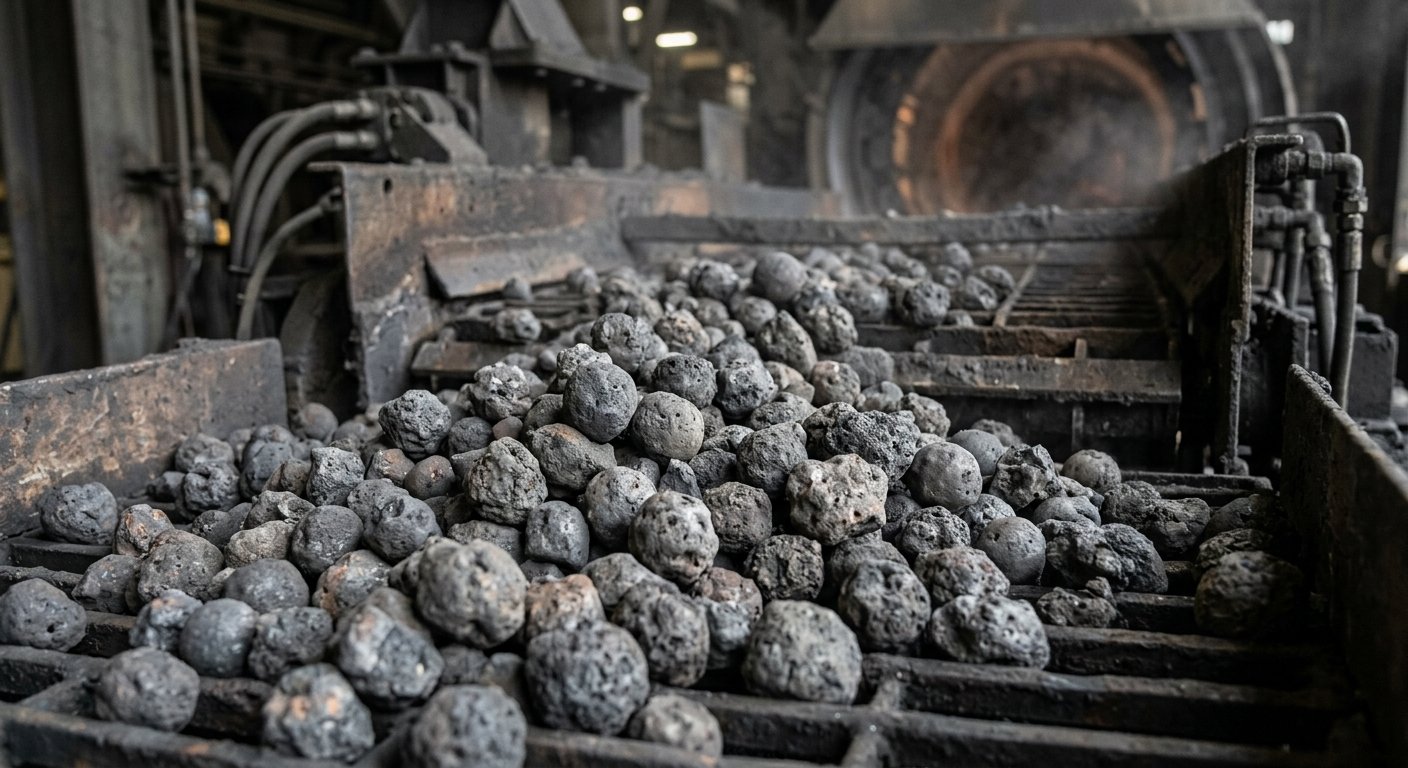
Il clinker è il materiale duro e nodulare prodotto mediante sinterizzazione di calcare e alluminosilicato (argilla o scisto) in un forno rotativo a circa 1.450 °C; macinato con gesso, diventa cemento Portland. È il prodotto intermedio della produzione del cemento, non il legante finito: si presenta come noduli grigio-neri, tipicamente di 3-25 mm di diametro, costituiti principalmente da quattro fasi minerali di silicato di calcio e alluminato di calcio. Il clinker rappresenta il cuore dell'industria cementiera, ad alta intensità di carbonio ed energia, motivo per cui quasi ogni strategia di decarbonizzazione del settore punta a ridurne l'impiego.
Questo è il significato di "clinker" nel contesto cementiero. Lo stesso termine indica anche un mattone di laterizio cotto ad alta temperatura (mattone klinker) e il residuo di cenere fusa o scoria su una griglia di forno o caldaia; nessuno di questi è il significato inteso in questa sede.
Cos'è il clinker?
Il clinker è il prodotto intermedio sinterizzato della produzione del cemento, un insieme di noduli grigi di 3-25 mm di diametro composti principalmente da quattro fasi minerali di silicato di calcio e alluminato di calcio che sviluppano la loro reattività nella zona di cottura del forno. Si forma quando la farina cruda viene riscaldata fino al punto di fusione parziale, quindi raffreddata e macinata con gesso per ottenere il cemento.
La catena dei materiali merita di essere definita, poiché i tre termini vengono spesso confusi. Il clinker è il prodotto in uscita dal forno. Il cemento è clinker macinato con gesso e altri additivi. Il calcestruzzo è cemento miscelato con acqua e aggregati per ottenere il materiale strutturale finito. Pertanto, il clinker si trova due passaggi a monte del calcestruzzo e un passaggio a monte del cemento. L'intero percorso dalla cava al prodotto è illustrato nella guida al processo di produzione del cemento, di cui questo articolo fa parte.
Clinker. L'intermedio duro e nodulare (tipicamente 3-25 mm) prodotto mediante sinterizzazione di calcare e argilla in un forno rotativo a circa 1.450 °C. Composto principalmente da quattro fasi minerali (alite, belite, alluminato, ferrite). Macinato con gesso, il clinker diventa cemento Portland.
Il clinker viene prodotto in tutta l'industria del cemento su scala enorme ed è il componente singolo più costoso e ad alta intensità di emissioni del cemento, il che rende la sua chimica e il suo volume di produzione degni di essere compresi in dettaglio.
Come viene prodotto il clinker: dal calcare ai noduli
Il clinker si ottiene macinando calcare e argilla in farina cruda, calcinandola (CaCO3 → CaO + CO2) a circa 850-900 °C, quindi sinterizzandola in un forno rotativo a circa 1.450 °C, dove gli ossidi reagiscono e fondono parzialmente in noduli. Il processo comprime molta chimica in pochi minuti di tempo di permanenza alla temperatura.
La sequenza è la seguente. Calcare e argilla vengono macinati e miscelati in farina cruda. La farina scende attraverso un preriscaldatore a cicloni contro il gas del forno in risalita, quindi passa attraverso un calcinatore dove circa il 90-95% del calcare viene decarbonatato, rilasciando CO2 e lasciando ossido di calcio. La farina calcinata entra nel forno rotativo, dove la zona di cottura raggiunge una temperatura del materiale di circa 1.450 °C contro una fiamma vicina ai 2.000 °C [1]. Una fase liquida si forma a circa 1.250-1.300 °C e gli ossidi reagiscono attraverso tale fusione per formare le fasi del clinker, agglomerandosi in noduli [1]. Il clinker viene quindi temprato in un raffreddatore, che preserva le fasi reattive.
La completezza della cottura è giudicata dalla calce libera, l'ossido di calcio non reagito rimasto: un clinker ben cotto mantiene la calce libera al di sotto dell'1,5% circa. Troppa calce libera significa che la cottura è stata incompleta; troppo poca può significare che il clinker è stato sovracotto e sarà difficile da macinare. La fase di raffreddamento, e il motivo per cui una tempra rapida protegge la chimica della resistenza, è trattata nell'articolo sul raffreddamento del clinker. L'intera linea del forno è descritta nella guida al processo di produzione del cemento.
Le 4 fasi principali del clinker
Le quattro fasi principali del clinker sono l'alite (C3S, silicato tricalcico), la belite (C2S, silicato bicalcico), l'alluminato (C3A, alluminato tricalcico) e la ferrite (C4AF, alluminoferrite tetracalcica), che insieme costituiscono circa il 90% del clinker in massa. Questi sono i minerali che conferiscono al cemento la sua resistenza e il suo comportamento di presa.
I chimici del cemento usano una notazione abbreviata per gli ossidi: C = CaO, S = SiO2, A = Al2O3, F = Fe2O3 e H = H2O. Quindi C3S significa 3CaO·SiO2 e C4AF significa 4CaO·Al2O3·Fe2O3. La notazione è compatta e viene utilizzata in tutto il settore; una volta appresa, è più facile da leggere rispetto alle formule complete degli ossidi.
Notazione dei chimici del cemento. Una stenografia in cui ogni ossido è una singola lettera: C = CaO, S = SiO2, A = Al2O3, F = Fe2O3, H = H2O. Le quattro fasi del clinker sono scritte C3S, C2S, C3A e C4AF.
La tabella espone le quattro fasi, le loro formule, le proporzioni tipiche nel clinker di cemento Portland ordinario e il contributo di ciascuna.
| Fase (nome minerale) | Notazione | Formula ossido | % tipica (clinker OPC) | Contributo |
|---|---|---|---|---|
| Alite (silicato tricalcico) | C3S | 3CaO·SiO2 | ~50-65 (range 40-70) | Resistenza iniziale (primi giorni); la fase dominante |
| Belite (silicato bicalcico) | C2S | 2CaO·SiO2 | ~15-25 (range 20-40) | Resistenza finale (settimane/mesi); bassa reattività iniziale |
| Alluminato (alluminato tricalcico) | C3A | 3CaO·Al2O3 | ~5-12 | Presa molto rapida; si aggiunge gesso per controllarla; vulnerabile ai solfati |
| Ferrite (alluminoferrite tetracalcica) | C4AF | 4CaO·Al2O3·Fe2O3 | ~8-15 | Agisce da fondente nel forno; conferisce al clinker il colore grigio |
Valori tipici OPC; le proporzioni effettive sono determinate dalla chimica della farina cruda e dal regime di cottura. Range secondo Taylor, Cement Chemistry e convenzioni di calcolo di Bogue [2][3].
L'alite è la fase più importante, poiché guida la resistenza iniziale che rende utile il cemento Portland, e il clinker ad alto contenuto di alite è l'obiettivo della maggior parte degli impianti. La belite è più lenta: contribuisce alla resistenza nel corso di settimane e mesi ed è preferita nei cementi a basso calore di idratazione e in alcuni cementi miscelati. La fase alluminato (C3A) reagisce quasi istantaneamente con l'acqua e causerebbe una presa rapida (flash set) senza gesso; è inoltre la fase attaccata dai solfati, motivo per cui i cementi resistenti ai solfati mantengono basso il C3A. La fase ferrite (C4AF) contribuisce poco alla resistenza ma agisce da fondente che abbassa la temperatura di fusione nel forno e conferisce al clinker ordinario il suo colore grigio. Ogni fase ha una trattazione dettagliata: alite, belite, la fase alluminato e la fase ferrite. La relazione complessiva tra ossidi e fasi è trattata nell'articolo sulla composizione chimica del clinker.
Perché il clinker è importante: resistenza e presa
Il clinker è importante perché la sua composizione di fase controlla lo sviluppo della resistenza e il comportamento di presa del cemento: l'alite guida la resistenza iniziale nei primi giorni, la belite guida la resistenza finale nel corso di settimane o mesi, e il C3A guida la presa rapida che il gesso aggiunto serve a controllare. Il clinker è dove si decide la prestazione del cemento finale; la macinazione e gli additivi servono solo a regolarla.
La logica segue il percorso: fase → prodotto di idratazione → proprietà. Quando il cemento incontra l'acqua, l'alite (C3S) si idrata rapidamente per formare idrato di silicato di calcio (C-S-H, il principale gel che conferisce resistenza) e idrossido di calcio, motivo per cui un clinker ad alto contenuto di alite raggiunge una resistenza utilizzabile in pochi giorni. La belite (C2S) forma lo stesso gel C-S-H ma molto più lentamente, contribuendo alla resistenza nel corso di mesi. La fase alluminato si idrata quasi istantaneamente, il che non è utile e risulta pericoloso per la lavorabilità, quindi il gesso viene macinato insieme al clinker per rallentarla. Questo è il motivo per cui la fase di macinazione del processo di produzione del cemento aggiunge gesso e, sempre più spesso, materiali cementizi supplementari che regolano ulteriormente il profilo di resistenza e durabilità.
Tipi di clinker e gradi di qualità
Il clinker è classificato in base alla sua chimica di fase e al tipo di cemento previsto: clinker Portland ordinario (alto contenuto di alite), clinker resistente ai solfati (basso C3A, inferiore a circa il 5%), clinker a basso calore di idratazione (alto contenuto di belite) e clinker bianco (molto basso Fe2O3). Le differenze derivano dalla chimica della farina cruda e dal regime di cottura, non da aggiunte successive.
La chimica è controllata attraverso tre moduli calcolati dall'analisi degli ossidi. Il Fattore di Saturazione della Calce (LSF) stabilisce quanta calce disponibile viene assorbita dalle fasi silicatiche e quindi governa l'equilibrio tra alite e belite; viene mantenuto entro una finestra di 0,66-1,02 e tipicamente intorno a 0,92-0,98 [4]. Il modulo silicatico (SM), solitamente 2,0-3,0, governa la proporzione delle fasi silicatiche rispetto alla fusione. Il modulo alluminico (AM), solitamente 1,0-4,0, governa il rapporto tra alluminato e ferrite [4]. La calce libera e il peso al litro (densità apparente di un campione di clinker calibrato) sono gli indicatori di controllo qualità quotidiani in forno. La relazione tra questi moduli e le famiglie di prodotti finiti (OPC, PPC, PSC) è esposta nel confronto sui tipi di cemento, e il contesto applicativo più ampio nell'industria del cemento deriva dal grado di clinker scelto.
Volumi di produzione ed economia del clinker
La produzione globale di cemento è stata di circa 4,1 miliardi di tonnellate nel 2024 e, con un rapporto medio mondiale clinker/cemento vicino a 0,71, la produzione di clinker è di circa 2,9 miliardi di tonnellate all'anno, il nucleo ad alta intensità di carbonio ed energia della base di costo del settore [5][6]. Il clinker è il componente più costoso e ad alta intensità di emissioni del cemento, il che rappresenta il motore economico dietro ogni iniziativa per ridurne l'uso.
La Cina ha prodotto circa 1,9 miliardi di tonnellate di cemento nel 2024 (meno della metà del totale mondiale per la prima volta dal 2008), e l'India è stata seconda con circa 0,45 miliardi di tonnellate [5]. Poiché il clinker è ciò che consuma combustibile e rilascia la CO2 di processo, domina sia il costo variabile che l'impronta di carbonio di una tonnellata di cemento. Un impianto che può vendere cemento con meno clinker vende un prodotto più economico e a minor contenuto di carbonio, motivo per cui il rapporto di clinker viene monitorato come metrica principale. Il costo dell'energia da combustibile dietro ogni tonnellata di clinker è quantificato nell'articolo sul consumo specifico di combustibile.
Sostenibilità: la leva di decarbonizzazione a basso contenuto di clinker
Ridurre il rapporto clinker/cemento è la singola leva di decarbonizzazione a breve termine più importante dell'industria cementiera, poiché il clinker trasporta quasi tutta la CO2 del cemento: circa 0,8-0,9 tonnellate di CO2 per tonnellata di clinker, contro circa 0,6 tonnellate per tonnellata di cemento finito [6]. Sostituire il clinker con materiali che non devono essere calcinati rimuove sia la CO2 di processo che la CO2 del combustibile per quella frazione.
I sostituti sono i materiali cementizi supplementari: ceneri volanti da centrali a carbone, loppa d'altoforno granulata macinata dalla produzione di acciaio, argilla calcinata e calcare macinato. La roadmap net-zero 2050 della Global Cement and Concrete Association punta a far scendere il rapporto mondiale di clinker dall'attuale 0,71 a circa 0,58 entro il 2030 e a circa 0,52 entro il 2050 [7]. Il cemento rappresenta circa il 7-8% delle emissioni globali di CO2 e, poiché la maggior parte di queste è CO2 di processo derivante dalla chimica del calcare piuttosto che dal combustibile, la sostituzione del clinker e la cattura del carbonio, non solo il cambio di combustibile, sono le leve che fanno la differenza [8]. La stessa logica spiega perché i guadagni di efficienza a monte, incluso il recupero del raffreddamento del clinker che protegge la qualità delle fasi, e la più ampia agenda di sostenibilità, convergono tutti sulla produzione della stessa resistenza con meno clinker.
Common questions about this topic
Il clinker è il materiale nodulare, duro e di colore grigio, che fuoriesce dal forno per cemento, ottenuto riscaldando calcare e argilla a circa 1.450 °C fino alla loro parziale fusione e reazione. Si tratta di un semilavorato: macinato con una piccola quantità di gesso, il clinker diventa la polvere di cemento venduta in sacchi e autocisterne. Non è il cemento finito né il calcestruzzo, bensì l'intermedio prodotto dal forno da cui entrambi vengono realizzati, come illustrato nella guida al processo di produzione del cemento.
Il clinker è composto principalmente da quattro fasi minerali: alite (silicato tricalcico, C3S), belite (silicato bicalcico, C2S), alluminato (alluminato tricalcico, C3A) e ferrite (alluminoferrite tetracalcica, C4AF), che insieme costituiscono circa il 90% della sua massa. Queste si formano dall'ossido di calcio (proveniente dal calcare) che reagisce con silice, allumina e ossido di ferro (provenienti da argilla e materiali correttivi) nel forno. La ripartizione dettagliata da ossido a fase è illustrata nell'articolo sulla composizione chimica del clinker.
Il clinker è il prodotto intermedio ottenuto dal forno; il cemento è clinker macinato con gesso e, solitamente, materiali supplementari. In altre parole, il cemento è la polvere finita e il clinker ne costituisce il componente principale. La frazione di clinker nel cemento è definita rapporto clinker-cemento, pari a circa 0,71 a livello mondiale, e la fase di macinazione che trasforma l'uno nell'altro rappresenta la fase 6 del processo di produzione del cemento.
Il clinker si forma a una temperatura del materiale nella zona di cottura di circa 1.450 °C, generata da una fiamma del forno a circa 2.000 °C [1]. Una fase liquida compare a circa 1.250-1.300 °C, momento in cui le reazioni di clinkerizzazione subiscono un'accelerazione. La fase di calcinazione che prepara la farina cruda, durante la quale il calcare si decompone in calce e CO2, avviene in precedenza e a temperature inferiori, intorno agli 850-900 °C.
Le quattro fasi nel tipico clinker di cemento Portland ordinario sono l'alite (C3S, ~50-65%), la belite (C2S, ~15-25%), l'alluminato (C3A, ~5-12%) e la ferrite (C4AF, ~8-15%) [2][3]. L'alite conferisce le resistenze iniziali, la belite le resistenze a lungo termine, il C3A controlla la presa (e viene moderato con il gesso), mentre il C4AF funge da fondente nel forno e conferisce il colore grigio. Ogni fase dispone di una spiegazione dedicata: alite, belite, fase alluminata e fase ferritica.
Il rapporto clinker-cemento rappresenta la frazione di clinker nel cemento finito, mentre la parte restante è costituita da gesso e materiali supplementari; la media mondiale è di circa 0,71, mentre negli Stati Uniti il valore è più elevato, attestandosi intorno a 0,88 [5][6]. Un rapporto inferiore implica una minore quantità di clinker per tonnellata di cemento, il che riduce sia i costi che le emissioni di CO2. La sua riduzione mediante l'impiego di materiali cementizi supplementari rappresenta la principale leva di decarbonizzazione a breve termine per il settore.
Il clinker è responsabile di quasi tutta l'impronta di carbonio del cemento, circa 0,8-0,9 tonnellate di CO2 per tonnellata di clinker, di cui circa il 60% è CO2 di processo rilasciata durante la decomposizione del calcare e circa il 40% deriva dalla combustione dei combustibili [6]. Poiché la maggior parte della CO2 deriva dalla reazione chimica stessa, non può essere eliminata solo sostituendo i combustibili; per questo motivo l'industria del cemento punta a un minore rapporto clinker e alla cattura del carbonio. Il cemento è responsabile di una quota stimata del 7-8% delle emissioni globali di CO2 [8].
Il clinker di cemento è il prodotto intermedio della produzione di cemento ottenuto in forno; la loppa è un sottoprodotto della fusione dei metalli (la loppa d'altoforno macinata è essa stessa utilizzata come sostituto del cemento); e il mattone clinker è un mattone da pavimentazione duro e denso, cotto a temperature prossime alla vetrificazione. Essi condividono il nome solo perché tutti e tre i processi prevedono una cottura ad alta temperatura. Nel contesto del cemento, "clinker" indica sempre il prodotto intermedio descritto nella guida al processo di produzione del cemento.
Sources
- Understanding Cement, *Reactions in the cement kiln (clinkering)*. Burning-zone material temperature ~1,450 C; flame ~2,000 C; liquid-phase onset ~1,250-1,300 C
- H. F. W. Taylor, *Cement Chemistry*, 2nd ed., Thomas Telford, 1997. Canonical reference for clinker phase chemistry and typical phase proportions
- Understanding Cement, *Bogue calculation* and *Clinker phases*. Typical OPC clinker phase ranges (alite 40-70%, belite 20-40%, C3A 5-12%, C4AF 8-15%)
- ScienceDirect Topics, *Lime Saturation Factor* (overview, drawing on cement-chemistry references). LSF window 0.66-1.02; silica modulus 2.0-3.0; alumina modulus 1.0-4.0
- U.S. Geological Survey, *Mineral Commodity Summaries 2025: Cement*. World cement production ~4.1 billion tonnes (2024); China ~1.9 Gt; India ~0.45 Gt
- International Energy Agency, *Cement* (energy-system tracking), and Carbon Brief, *Q&A: Why cement emissions matter for climate change*. World clinker-to-cement ratio ~0.71 (US ~0.88); ~0.8-0.9 t CO2/t clinker; ~0.6 t CO2/t cement; ~60% process / ~40% combustion
- Global Cement and Concrete Association, *2050 Net Zero Roadmap (Concrete Future)*. Clinker ratio trajectory toward ~0.58 (2030) and ~0.52 (2050)
- Chatham House, *Why cement is a major contributor to climate change* (2018). Cement ~8% of global CO2 emissions
Articoli correlati
Discuss Your Sealing Requirements
Our engineering team can help identify the right sealing solution for your application.
Contact Engineering Team“Ovunque i forni rotanti ad alta temperatura operino in atmosfera controllata, i sistemi di tenuta Oswal garantiscono efficienza energetica e stabilità di processo.”